cats · honest breed guide
Orange Tabby
not a breed — a coat color. but every orange cat is suspiciously, statistically, exactly the same cat.
At a glance
| what is it | a coat color · not a breed |
|---|---|
| sex distribution | ~80% male (X-linked color gene) |
| lifespan | 12–18 years (depends on breed) |
| personality | internet consensus: 'one shared brain cell' |
| official personality | no rigorous study confirms a behavioral difference |
| common breeds | DSH, maine coon, persian, bengal |
| indoor recommended | yes |
| good with kids | varies by individual cat |
orange tabby is a color, not a breed
before we go anywhere with this — 'orange tabby' is not a cat breed. it's a coat color pattern caused by the orange (O) gene, which is sex-linked on the X chromosome. you can have an orange tabby in dozens of breeds (and most are DSH — domestic shorthair, the mixed-breed pet cat that makes up ~95% of all u.s. household cats).
so this guide is about the color and the population, not a single breed standard. if you're trying to choose between pedigreed breeds, jump to the maine coon or ragdoll guides.
why most orange cats are male
the orange gene (O) sits on the X chromosome. female cats have two X chromosomes (XX); males have XY. to be a solid orange tabby, a cat needs the orange gene on every X chromosome they have.
males (XY) only need one copy → relatively easy to be orange. females (XX) need two copies (one on each X) → much rarer.
result: roughly 80% of orange tabbies are male and only 20% are female. the orange females exist (they're often spectacular) but they're statistically less common. this is also why you almost never see a male calico — calicoes are XX/XXY, so the patchwork color requires two X chromosomes carrying different alleles. male calicoes are extremely rare and usually have the genetic condition klinefelter syndrome (XXY).
the 'one shared brain cell' thing
we have to be honest — there is no peer-reviewed study confirming that orange cats are statistically goofier, more affectionate, or share a single neuron. the internet consensus is overwhelming but anecdotal.
what may contribute: orange cats are disproportionately male, and male cats are slightly more likely to be confident, less skittish, and more food-motivated than female cats on average. some of the 'orange cat behavior' may be 'cat with a Y chromosome behavior.' some of it may be confirmation bias from a brilliant meme economy.
the honest answer: orange cats are wonderful and the internet community is right to celebrate them, but the science is not settled.
care basics
since 'orange tabby' isn't a breed, care depends on the breed. for a typical DSH orange tabby:
food: high-protein wet food primary, dry as supplement. measure portions — DSH cats are at high risk of obesity.
litter: one box per cat plus one extra. unscented clumping litter is the safe default. scoop daily.
vet: annual exam + FVRCP + rabies. spay/neuter by 6 months unless your vet recommends otherwise.
indoor: yes, ideally. indoor cats average 13–17 years; outdoor cats average 2–5.
common breeds that come in orange
DSH (domestic shorthair) — the most common. about 1 in 5 DSH cats are orange to some degree.
maine coon — orange tabby is a recognized color variant; the breed has a strong genetic line of orange-and-white maine coons.
persian — the 'red' persian is a recognized color.
british shorthair, exotic shorthair, american shorthair — all have orange variants.
bengal — orange/rufous spotted bengals exist and are striking.
FAQ
quick answers.
- are orange cats friendlier than other cats?
- anecdotally yes, scientifically unproven. the population skew toward male cats (who trend slightly more confident on average) may explain some of it. mostly, individual personality varies more than coat color predicts.
- why are female orange cats so rare?
- the orange gene is X-linked. males need one copy to be orange (one X chromosome). females need two copies (one on each X), which is statistically less common. ~80% of orange tabbies are male.
- do orange cats live shorter lives?
- no — lifespan is determined by breed, weight, indoor/outdoor status, and individual genetics, not coat color.
- are all 'ginger' cats orange tabbies?
- yes — 'ginger,' 'marmalade,' 'red,' 'orange' all refer to the same O-gene color expression. some are solid orange, most are tabby-patterned to some degree because the agouti tabby gene is dominant.
The merch
made for orange tabby people.
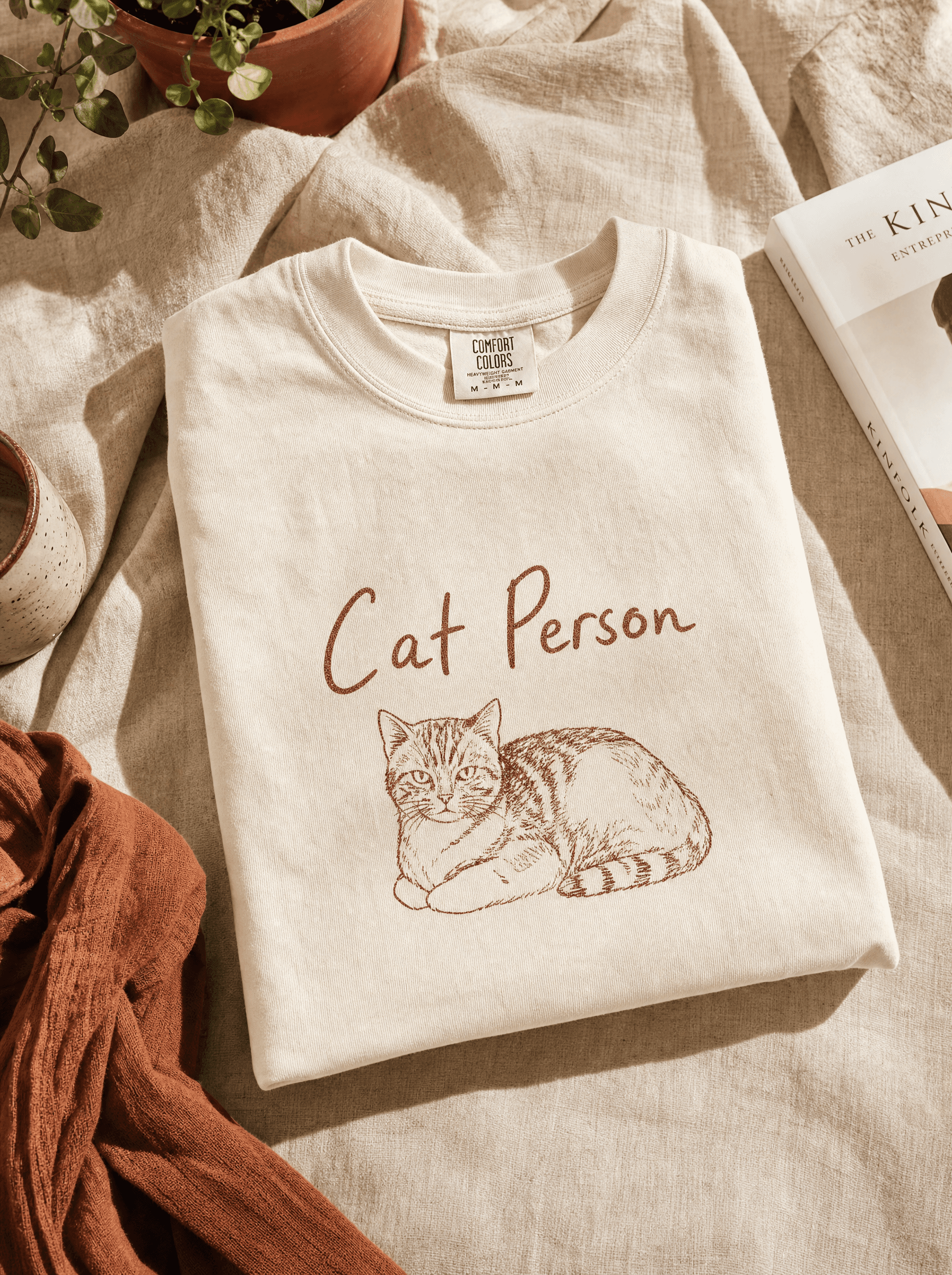
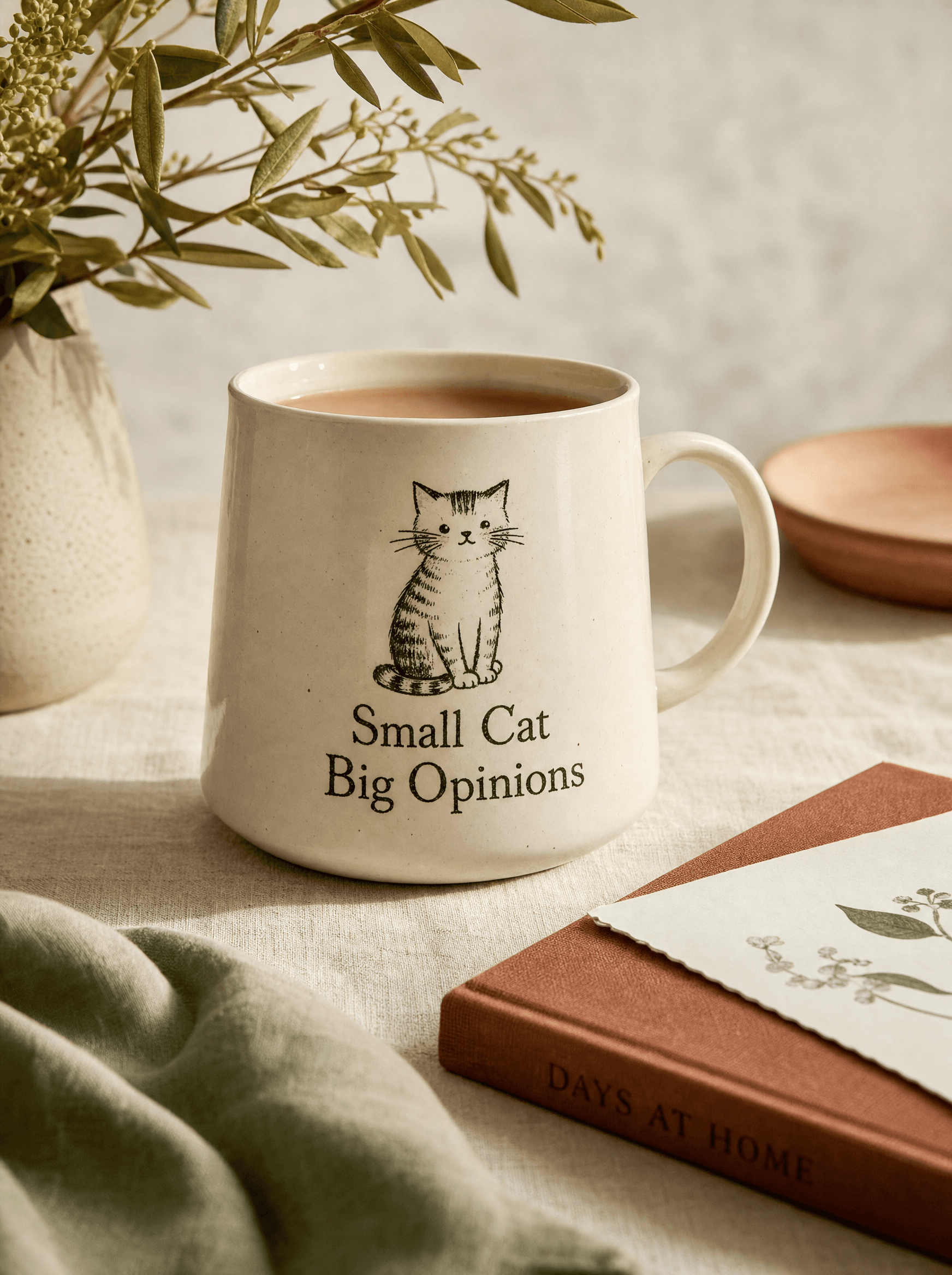
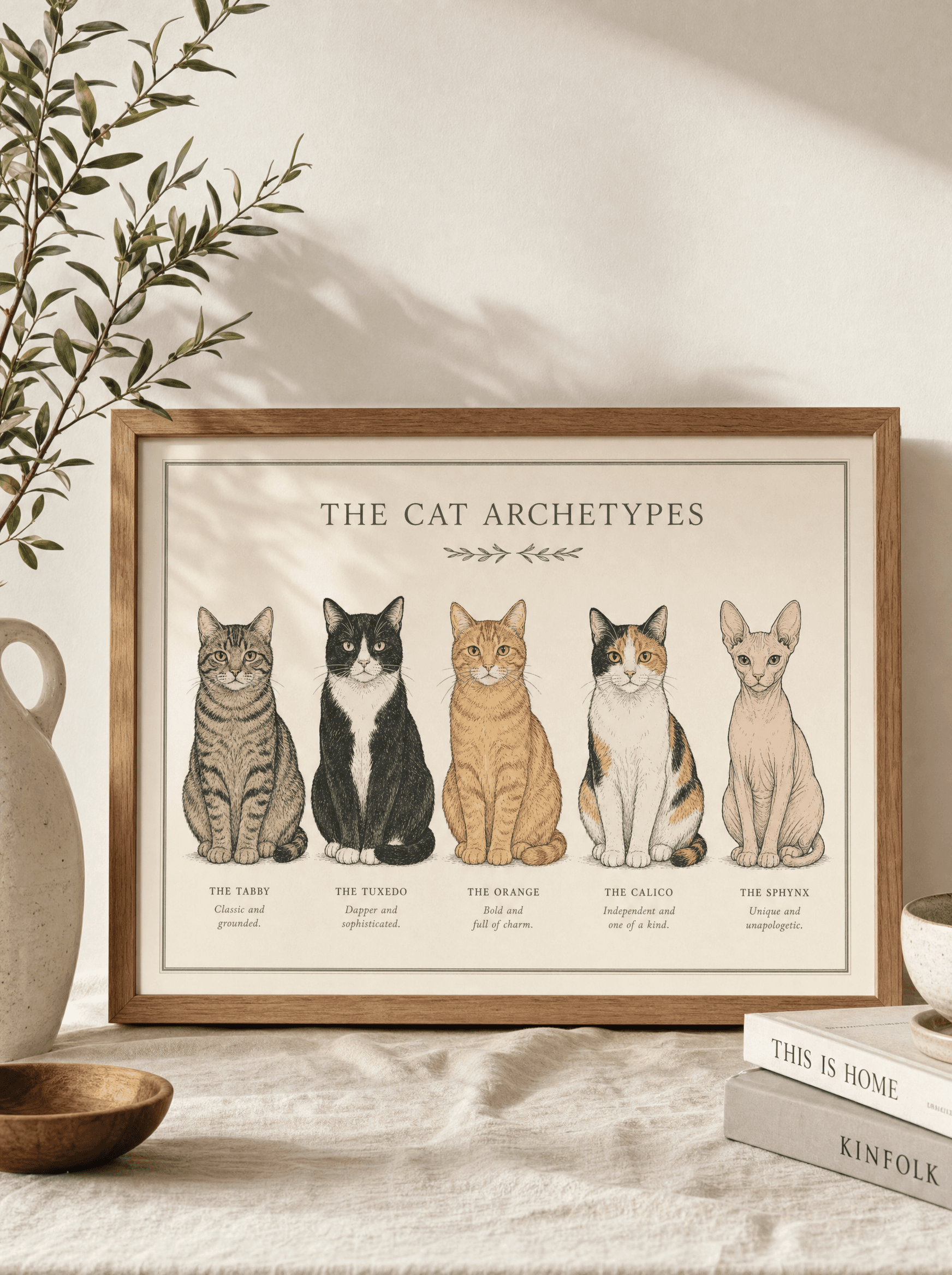
From the feed
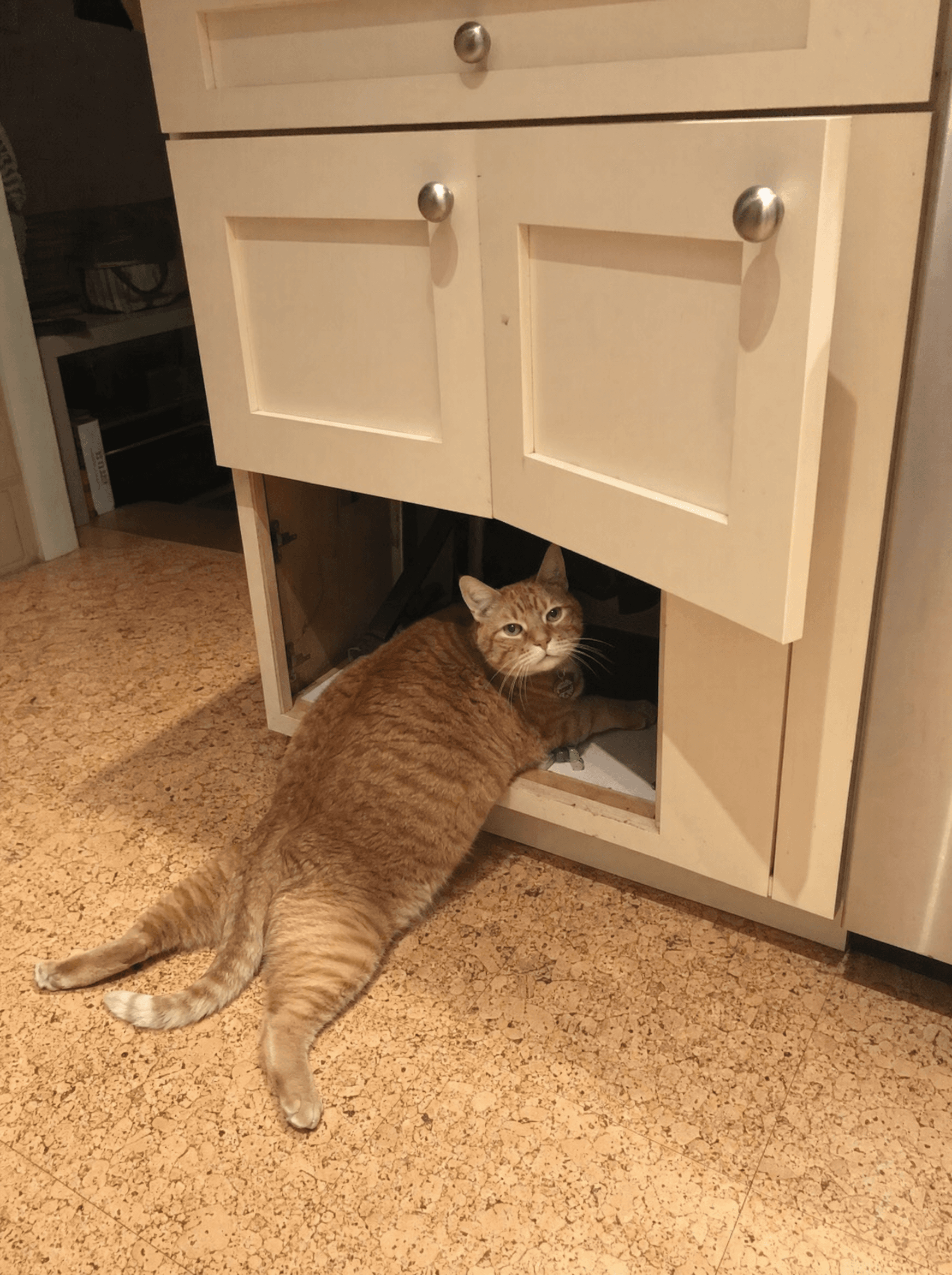
orange tabbys, posted.
Sources
where this guide came from.
- AVMA wellness guidance ↗
- ASPCA general care guidelines ↗
- UC Davis Veterinary Genetics Lab — feline coat color genetics ↗
last updated: May 17, 2026