cats · honest breed guide
Maine Coon
the largest domestic cat breed. essentially a dog in a cat suit. and a lot of cat suit.
At a glance
| size | 10–18 lb · large (males 15–25 lb) |
|---|---|
| lifespan | 12–15 years |
| energy | moderate–high · playful into senior years |
| shedding | heavy · long double coat |
| trainability | high — they learn tricks, harness-walk |
| good with kids | yes — gentle and patient |
| good with dogs | usually |
| apartment-friendly | yes with vertical space |
what you're signing up for
maine coons are the largest of the domestic cat breeds and one of the most dog-like in temperament. they greet you at the door, follow you around, talk constantly in a chirpy chirrupy voice (they don't typically meow — they trill), and they often play fetch. they bond hard to family but they're not lap cats in the traditional sense — they want to be in the room, not on the body.
bred from new england working farm cats (the ship cat / longhair bobcat folklore is colorful but mostly that — folklore), the modern maine coon is one of the most popular pedigreed cats globally.
size — the real numbers
an adult male maine coon is typically 15–20 lbs. genuinely large ones reach 22+. they don't fully grow until age 4 (most cat breeds finish growing at 1–2). females are usually 10–14 lbs.
the internet 'maine coon' photos of 30+ lb cats are usually either heavily obese, exaggerated by perspective, or partially the result of a specific gigantism gene line that ethical breeders do not promote. don't shop for a 30-lb cat. shop for a well-tempered cat of appropriate size.
the health conversation
hypertrophic cardiomyopathy (HCM) is the headline issue. maine coons carry an HCM-associated gene mutation (MYBPC3) at elevated frequency. ethical breeders DNA-test parents and avoid breeding two carriers. ask for documentation.
also: hip dysplasia (more common in large cats than people realize), spinal muscular atrophy (a rare neurological disorder, DNA-testable), and polycystic kidney disease.
annual echocardiogram screening is recommended for adult maine coons, especially from breeding lines with HCM history. budget for it — it's ~$300–$600 per scan.
grooming
long double coat. brush 2–3x per week with a steel comb to prevent matting, especially behind the ears, in the armpits, and on the belly. heavy shedders — expect tumbleweeds.
they enjoy water more than most cats and are often willing to be bathed (or even shower with you). a bath every 6–8 weeks helps coat condition and reduces dander.
diet & care
they grow slowly. high-quality kitten food until ~12 months, then a measured high-protein adult diet. they can become obese if free-fed — even a 'big breed' cat shouldn't be fat. portion control matters.
give them vertical space. cat trees, shelves, window perches. they want to climb and survey the room.
is this the right breed for you?
yes if: you want an interactive 'companion' cat, you have space, you can afford the higher vet costs (large pedigreed breeds run higher than DSH/DLH rescue cats), you can handle a lot of fur.
no if: you wanted a low-maintenance cat, you can't afford HCM screening + potential treatment, you don't have time to comb 3x/week.
FAQ
quick answers.
- are maine coons hypoallergenic?
- no cat breed is truly hypoallergenic. some people react less to certain breeds (siberian, balinese, sphynx are sometimes better-tolerated) but maine coons are heavy shedders with substantial dander production.
- how big do maine coons actually get?
- males average 15–20 lb, females 10–14 lb. 'giant' photos online are usually obesity, perspective, or specific gigantism lines that ethical breeders avoid. shop for temperament and health, not record-breaking size.
- are maine coons good with dogs?
- generally yes — they're dog-like in temperament and confident enough to coexist with most dogs after proper intros. obviously depends on the individual dog.
- do maine coons need a friend?
- they do better with another cat than most breeds — they're social. if you work full days, strongly consider getting two. ideally littermates or a bonded pair from rescue.
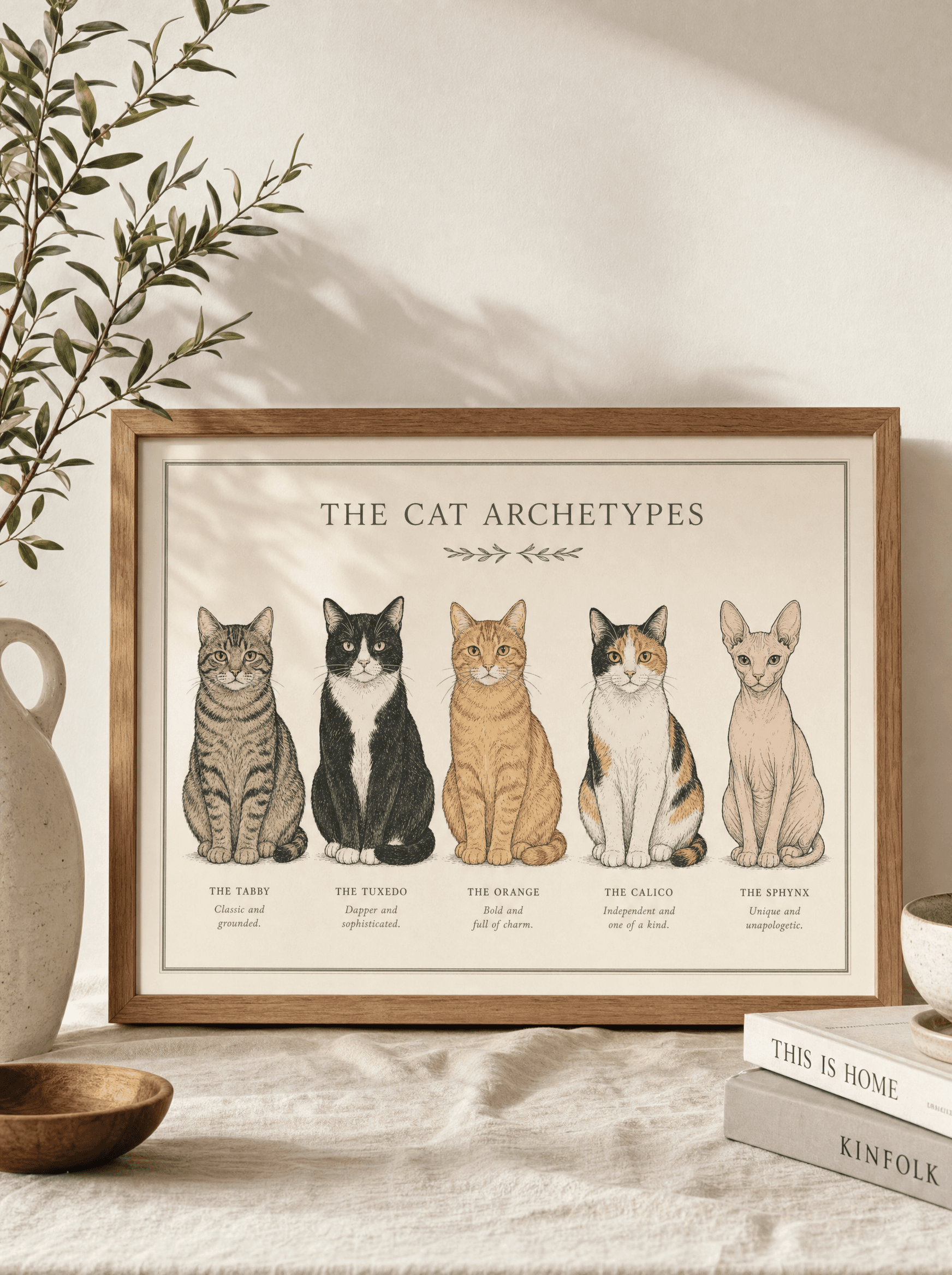
The merch
made for maine coon people.
Adjacent breeds
if you liked this one.
Sources
where this guide came from.
last updated: May 17, 2026